

Dry Needling
For West London Dry Needling please call the Brackenbury Clinic on 020 8741 9264, or send an enquiry. Send Enquiry
What is Dry Needling?
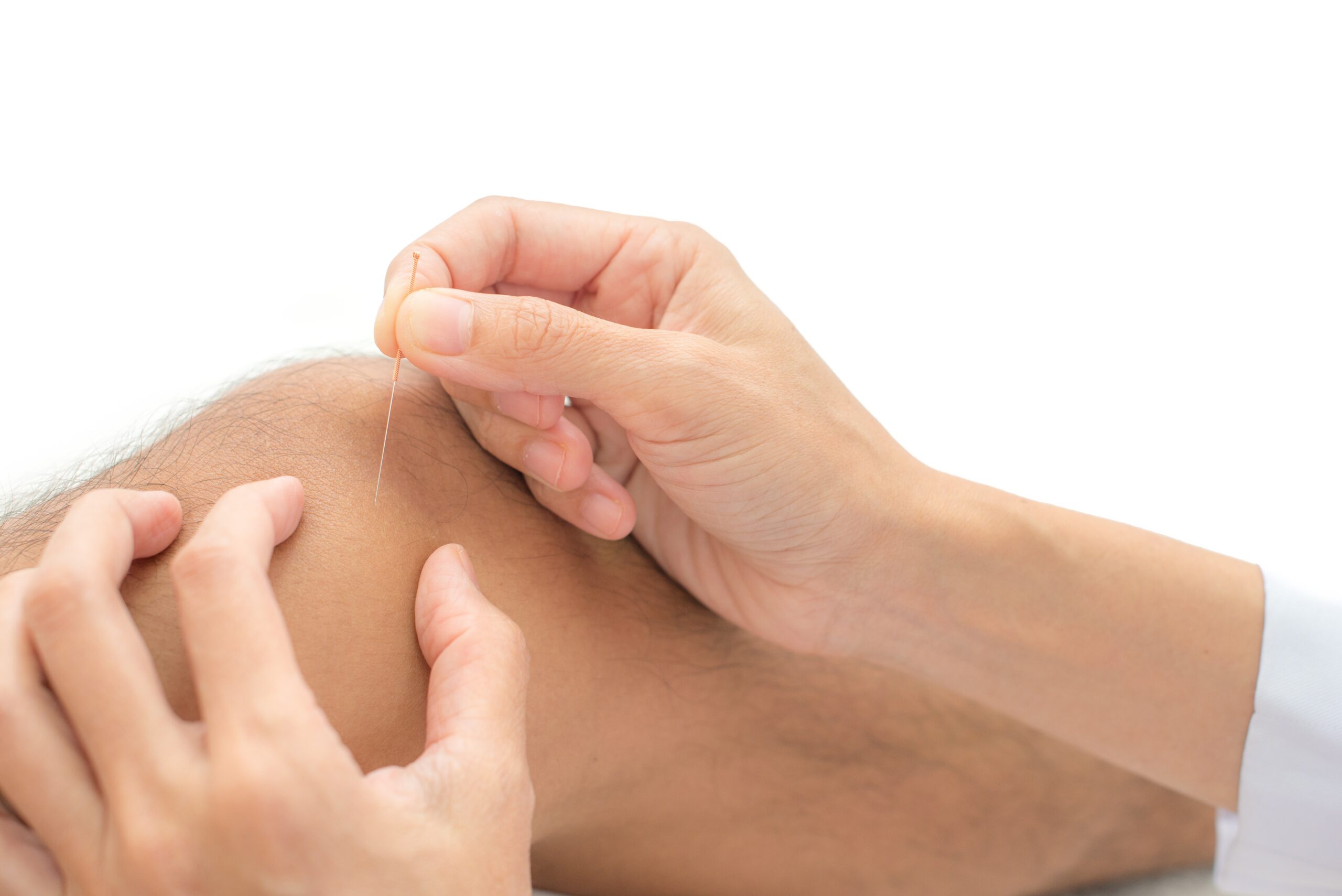
Dry needling uses fine, sterile, single-use needles to target specific areas of muscular and myofascial sensitivity.
The technique is based on Western anatomical and neuromuscular principles. Depending on the presentation, a needle may be used to stimulate a sensitive area within a muscle and produce a brief local response.
Research suggests that dry needling can help provide improvements in pain, movement and function for some musculoskeletal conditions. It is particularly useful when muscular pain or sensitivity makes movement or exercise more difficult.
When might Dry Needling be helpful?
Dry needling may be considered for a range of musculoskeletal and sports-related presentations, including:
Neck & shoulders
Neck tension, shoulder pain, muscular overload and movement restriction.
Back & hips
Lower back pain, gluteal or hip-related muscular pain
Sports & exercise-related pain
Muscular overload, recurring areas of tightness and pain that may be limiting training or rehabilitation.
Myofascial pain
Sensitive or painful areas ( sometimes referred as trigger points) within muscle that may contribute to local discomfort.
A thorough assessment is carried out before treatment to determine whether dry needling is appropriate for you.
What does Dry Needling feel like?
The needles used are extremely fine, and insertion is often barely noticeable. When a sensitive area of muscle is stimulated, you may experience a brief twitch, ache, pressure or cramping sensation. This is usually short-lived. It is also possible to experience some local muscular soreness following treatment, similar to the feeling after exercise. This generally settles within a day or two.
Your response will be monitored throughout the treatment, and the technique can be adapted according to your comfort and individual needs.
Dry Needling vs Acupuncture
Although both techniques use fine needles, dry needling and acupuncture are different approaches.
Dry needling is based primarily on Western anatomy, musculoskeletal assessment and neuromuscular principles, with treatment directed towards specific muscles and areas of sensitivity.
Acupuncture is traditionally based on Traditional Chinese Medicine, using a system of acupuncture points and concepts relating to the flow of Qi.
An integrated approach to treatment
Dry needling is not intended to replace movement, rehabilitation or other forms of hands-on treatment; where appropriate, dry needling will be integrated with osteopathic treatment, massage, and mobility work and tailored exercises. The aim is not simply to reduce symptoms, but to help you move more comfortably and return to the activities that matter to you.
Your treatment will always be adapted to your symptoms, lifestyle, activity levels and individual goals.
Is Dry Needling right for you?
Dry needling isn’t suitable for everyone. Your medical history, symptoms and presentation will be considered before treatment, and alternative approaches may be recommended where appropriate.
It can be incorporated into a regular osteopathy or massage therapy appointment, or booked as a dedicated treatment for a specific area of persistent muscular pain, tension or movement restriction.
 Elvira Cipolletti has a Master’s Degree in Osteopathy from the University...